
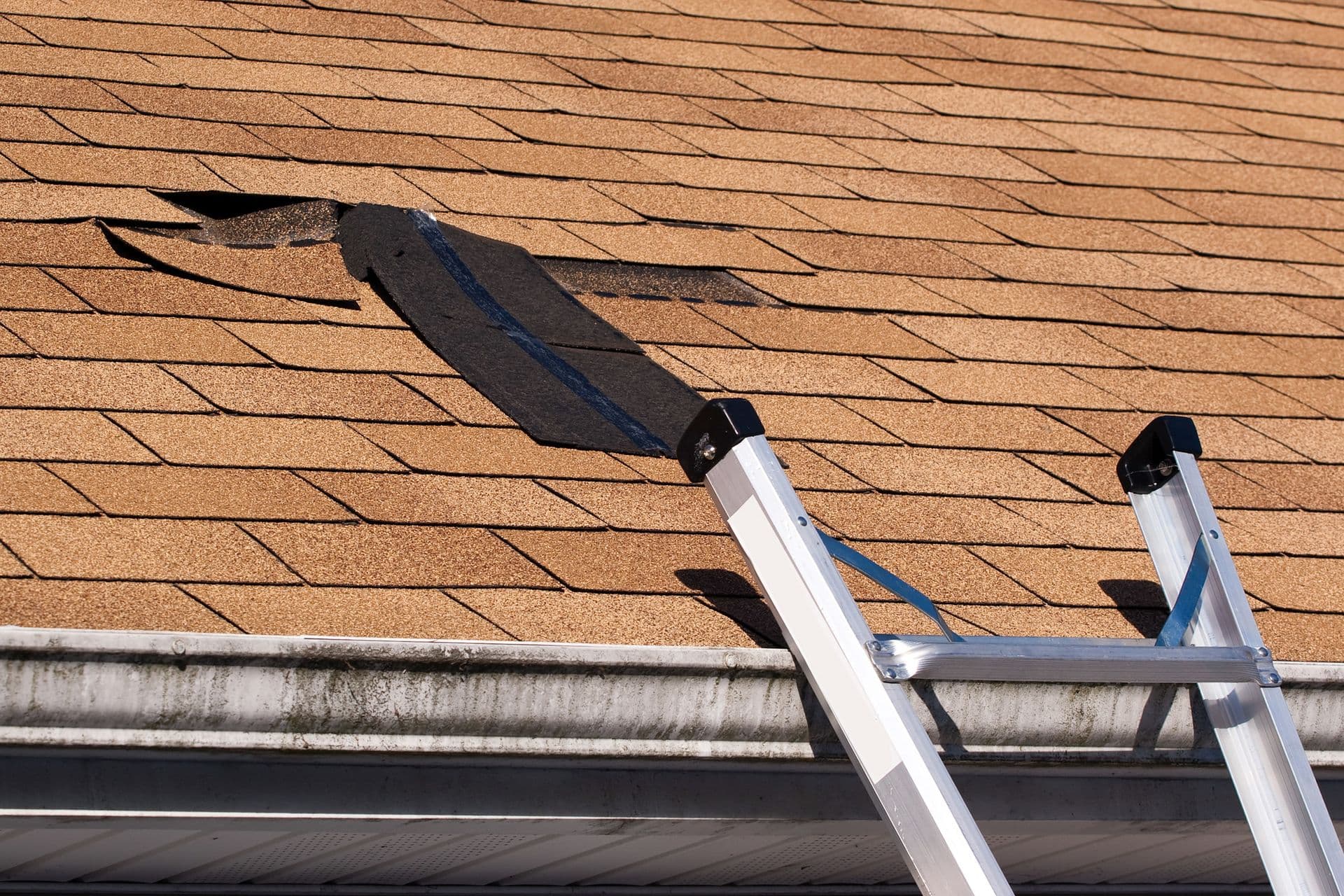
Emergency Roof Repair Guide
January 30, 2025
by Brandon Heins
An emergency roof repair guide is essential for homeowners dealing with sudden damage from severe weather or structural issues. Begin by inspecting the roof and attic for visible damage and leaks. Document the situation with photographs for insurance claims. Use temporary measures, like waterproof tarps, to minimize interior damage until professionals can assess the situation. It’s important to understand that homeowners insurance typically covers these repairs, but coverage may vary. Regular maintenance can help prevent future emergencies. To effectively navigate these challenges, consider key steps and recommendations that enhance preparedness and response strategies.
What Qualifies as an Emergency Roof Repair?
Emergency roof repairs are often triggered by specific, urgent conditions that demand immediate attention.
Common causes include severe weather events that compromise roof integrity, significant water leaks that threaten the interior, and structural damage that poses safety risks.
Recognizing these factors is essential to guarantee timely and effective responses to protect your property.
If a storm has recently hit your area, inspect your roof for signs of hail damage or missing shingles. Certain types of roof damage, such as sagging or major leaks, require immediate professional attention.
Common Causes of Emergency Roof Damage
Roof damage can arise from various unexpected events that necessitate immediate repairs to prevent further issues. One of the most common causes of emergency roof repairs is severe weather, including hurricanes and tornadoes, which can lead to significant roof damage. Such events may result in missing shingles, compromised structural integrity, and leaks that require urgent attention.
Additionally, structural issues like sagging roofs or visible light penetrating roof boards signal the need for immediate repairs to avert hazards. Water intrusion from leaks, particularly near electrical systems, poses a critical risk due to the potential for electrical fires and further structural degradation.
If water is pooling in specific areas of your roof, it could be a sign of ice dams forming, which can cause serious leaks and damage.
Moreover, natural elements such as fallen trees or large branches can directly threaten roof integrity, demanding prompt action to avoid collapse. Pests, too, can create substantial holes in roofing materials, undermining the roof’s protective barrier against the elements and warranting emergency intervention.
Identifying these common causes of emergency roof damage can help homeowners take swift action, ultimately safeguarding their property and minimizing repair costs. Addressing these issues promptly is essential for maintaining a safe and secure living environment.
Immediate Steps To Take During a Roofing Emergency
In a roofing emergency, prompt action is essential to mitigate damage.
Begin by inspecting and evaluating the extent of the damage, while documenting everything for insurance purposes.
Implement temporary fixes as needed, but prioritize safety by avoiding any unnecessary attempts to climb onto the roof.
Inspect and Assess the Damage
Swift assessment is crucial to mitigating damage during a roofing crisis. Begin by inspecting the damage from the ground using binoculars to identify visible signs of leaks, missing shingles, or other structural issues. This method allows you to safely evaluate the condition of your roof without the risks associated with climbing onto it.
Next, check the attic for water stains, dark spots, and insulation damage, as these indicators may signal hidden leaks or structural concerns. As you conduct your inspection, it’s essential to document the damage. Use clear photos or videos to create a visual record that will be helpful for subsequent insurance claims and contractor evaluations.
While you assess the situation, utilize buckets to catch any dripping water, minimizing interior
damage. If a storm has recently passed, check for missing or broken shingles that may indicate extensive damage.
Document Everything for Insurance Claims
As you navigate the aftermath of a roofing emergency, meticulous documentation is essential for a successful insurance claim. Start by taking clear photographs of all visible damage, including leaks, affected areas, and any debris. This visual evidence will be critical for the insurance claims process.
Furthermore, record details such as the date of the incident, the extent of the damage, and any immediate actions taken to mitigate further harm, as these notes provide significant context for your claim.
Gather estimates from licensed contractors for repair costs, ensuring you have multiple quotes to support your claim and demonstrate the urgency of the repairs needed.
It is also important to keep all correspondence with your insurance company, including emails, phone call logs, and written communications, as this creates a thorough record of your interactions.
Document Everything for Insurance Claims
As you navigate the aftermath of a roofing emergency, meticulous documentation is essential for a successful insurance claim. Start by taking clear photographs of all visible damage, including leaks, affected areas, and any debris. This visual evidence will be critical for the insurance claims process.
Furthermore, record details such as the date of the incident, the extent of the damage, and any immediate actions taken to mitigate further harm, as these notes provide significant context for your claim.
Gather estimates from licensed contractors for repair costs, ensuring you have multiple quotes to support your claim and demonstrate the urgency of the repairs needed.
It is also important to keep all correspondence with your insurance company, including emails, phone call logs, and written communications, as this creates a thorough record of your interactions.
Proper documentation of hail and storm-related damage will help you when submitting an insurance claim for roof repairs.
Temporary Roof Leak Fixes
Immediate action is vital when facing a roof leak emergency to mitigate further damage.
One of the fastest ways to stop an active leak is by placing a tarp over the affected area until professional repairs can be done.
Begin by identifying the source of the leak; look for water stains or bulging drywall. Place buckets or containers under the leak to catch dripping water, which will help minimize interior damage and prevent mold growth.
For effective temporary fixes, use waterproof tarps or plastic sheeting to cover any holes or cracks in the roof. Secure these materials with nails or adhesive tape to guarantee they remain in place, preventing further water intrusion until professional help can be secured.
Moreover, consider applying roofing cement or sealant to the identified leaks. Before application, verify the area is clean and dry to achieve effective sealing.
While these emergency roof leak repairs can provide immediate relief, it is important to document all damage with photos and videos for insurance claims and contractor evaluations. This documentation will facilitate a smoother repair process and guarantee proper coverage.
Always consult licensed roofing contractors for permanent repairs, obtaining multiple quotes to ensure fair pricing and quality service.
Safety Precautions Before Attempting Any Repairs
Before attempting any repairs on a damaged roof, prioritizing safety is paramount. Implementing appropriate safety precautions can markedly mitigate risks associated with roofing emergencies.
First, verify your personal safety by wearing suitable protective gear, including sturdy boots, gloves, and goggles. This equipment helps shield against potential hazards while traversing compromised areas.
Avoid climbing onto the roof if you observe signs of structural compromise, such as sagging or visible leaks, as these conditions can heighten the risk of injury. If it is necessary to access the roof, utilize ladders that are rated for the appropriate weight and confirm they are stable and securely positioned. This step is critical in preventing falls.
In cases where water intrusion is near electrical systems, turn off the power supply to eliminate electrical hazards before addressing any leaks.
Furthermore, document the damage with photographs from a safe distance to aid in insurance claims while minimizing exposure to dangers.
Taking these safety precautions will not only protect you during emergency repairs but will also guarantee that subsequent professional interventions can be carried out safely and effectively.
When To Call a Professional for Emergency Roof Repairs
Recognizing when to call a professional for emergency roof repairs is critical to safeguarding your home from further damage. If you notice severe leaks, significant water damage, or sagging ceilings, it is important to seek professional help immediately. These symptoms can indicate underlying structural issues that require urgent attention.
Visible light streaming through roof boards or the presence of missing shingles, especially when accompanied by water stains larger than an orange, should trigger a call to a roofing expert.
If your roof has suffered extensive damage, contacting an experienced roofing contractor is the best way to ensure long-term repairs.
After a storm, if multiple leak spots emerge or there is considerable roof damage, professional assistance becomes necessary to prevent further deterioration and avoid costly repairs.
In addition, if you are uncertain about the condition of your roof or if it has been subjected to severe weather, seeking a professional evaluation can help guarantee safety and address potential issues before they escalate.
Will Homeowners Insurance Cover Emergency Roof Repairs?
How can homeowners navigate the complexities of insurance coverage for emergency roof repairs? Understanding your homeowners insurance policy can help you prepare for unexpected repair costs. Typically, homeowners insurance does cover emergency roof repairs resulting from unexpected incidents, such as storm damage or fallen trees. However, damage due to neglect or age-related wear is usually excluded.
Homeowners should carefully review their policy specifics, including deductibles and coverage limits, which can greatly influence the reimbursement amount for emergency roof repairs. It is advisable to document all damage meticulously, using photos and notes, to facilitate a smoother insurance claims process. Many policies include exclusions for maintenance-related issues; therefore, routine wear and tear may not qualify for coverage.
To guarantee a timely response, homeowners must contact their insurance provider promptly after any damage occurs. This proactive approach can expedite the claims process and help secure necessary funds for repairs.
Preventative Measures To Avoid Emergency Roof Repairs
To prevent emergency roof repairs, implementing regular inspections and maintenance is essential.
This includes cleaning gutters to prevent water buildup and reinforcing weak areas before storm season.
Regular Roof Inspections & Maintenance Tips
While many homeowners may overlook the importance of regular roof inspections, conducting them at least twice a year is crucial for identifying minor issues before they escalate into costly emergencies.
These regular inspections play a key role in roof maintenance, enabling homeowners to detect early signs of aging, such as curling shingles, rusting flashing, and moss growth.
Moreover, monitoring the roof’s condition allows for timely interventions. For instance, addressing minor repairs, such as replacing missing shingles or sealing small leaks, can help prevent larger, more expensive repairs in the future.
Additionally, trimming overhanging branches reduces the risk of storm damage from falling limbs, safeguarding the roof’s integrity during severe weather events.
Keeping gutters clean and free from debris is another critical aspect of roof maintenance, as clogged gutters can cause water pooling, leading to leaks and water damage.
Scheduling regular roof maintenance can prevent small issues from becoming emergencies.
Cleaning Gutters and Preventing Ice Dams
Regular roof inspections and maintenance provide a solid foundation for effective roof care, but cleaning gutters is an essential step that should not be overlooked.
Clogged gutters can lead to serious issues, including water pooling on the roof, which greatly increases the risk of ice dams forming during winter months. Ice dams occur when melted snow refreezes at the roof’s edge, creating barriers that trap water and can result in leaks and extensive water damage inside your home.
To prevent these problems, it is essential to clean gutters at least twice a year, ensuring proper drainage and efficient water flow during heavy rains or snowmelt. By keeping gutters and downspouts clear, you minimize the chances of water buildup, protecting your roofing materials from excessive exposure to moisture and ice.
Keeping your gutters clean is crucial for preventing leaks and water buildup. Consider installing gutter guards to improve drainage.
Incorporating these preventative measures into your home maintenance routine will greatly reduce the likelihood of encountering costly roof emergencies, preserving both your investment and the integrity of your home.
Reinforcing Weak Roofing Areas Before Storm Season
As storm season approaches, taking proactive measures to reinforce weak roofing areas is vital for safeguarding your home from potential damage.
To prevent future issues, conduct thorough inspections of your roof at least twice a year. Look for vulnerabilities such as loose shingles, damaged flashing, and signs of wear. Address these issues promptly to minimize risk.
Regular maintenance is important; verify that gutters and downspouts are clean to prevent water backup, which can lead to leaks during heavy rainfall.
Trimming overhanging tree branches will also mitigate the risk of them falling and causing significant damage.
Additionally, inspect roof penetrations, including chimneys and vents, to confirm they are properly sealed. This prevents water intrusion during storms, which could lead to costly repairs.
Applying a quality roof sealant to aging or vulnerable areas enhances waterproofing and extends the lifespan of your roofing materials.
Final Thoughts on Handling Emergency Roof Repair
Timely intervention is essential when dealing with an emergency roof repair, as it can greatly reduce damage and associated costs. The quicker you act, the more you can minimize further deterioration, which can lead to mold growth and inflated repair expenses.
Begin by identifying signs of leaks, such as water stains or bulging drywall, and implement temporary solutions like waterproof tarps to safeguard your home until professional roofers can assess the situation.
Documenting the damage through photographs and detailed notes is vital, especially for expediting insurance claims. Most homeowner insurance policies cover unexpected storm-related damage, making it imperative to have accurate records.
Engage certified and experienced roofing contractors who can provide a thorough evaluation and long-term solutions to prevent future emergencies. Obtaining multiple quotes guarantees fair pricing and quality service.
Regular roof inspections and prompt repairs can extend the lifespan of your roof.
Prioritize safety during severe damage situations by evacuating if necessary and shutting down power near affected areas. Avoid DIY repairs, as they can lead to further risks and complications. Taking these steps will help you effectively navigate the challenges of emergency roof repair.
Get 10% Off Your Project's Total Cost!
Latest Posts
Wisconsin winters have a way of revealing every weakness a home has. A small draft in October becomes a full-blown ice cold breeze...

When the weather swings from below zero to muggy in a single week, your windows take a beating...

You notice a hazy blur between the panes of your window and start wondering if something’s wrong...

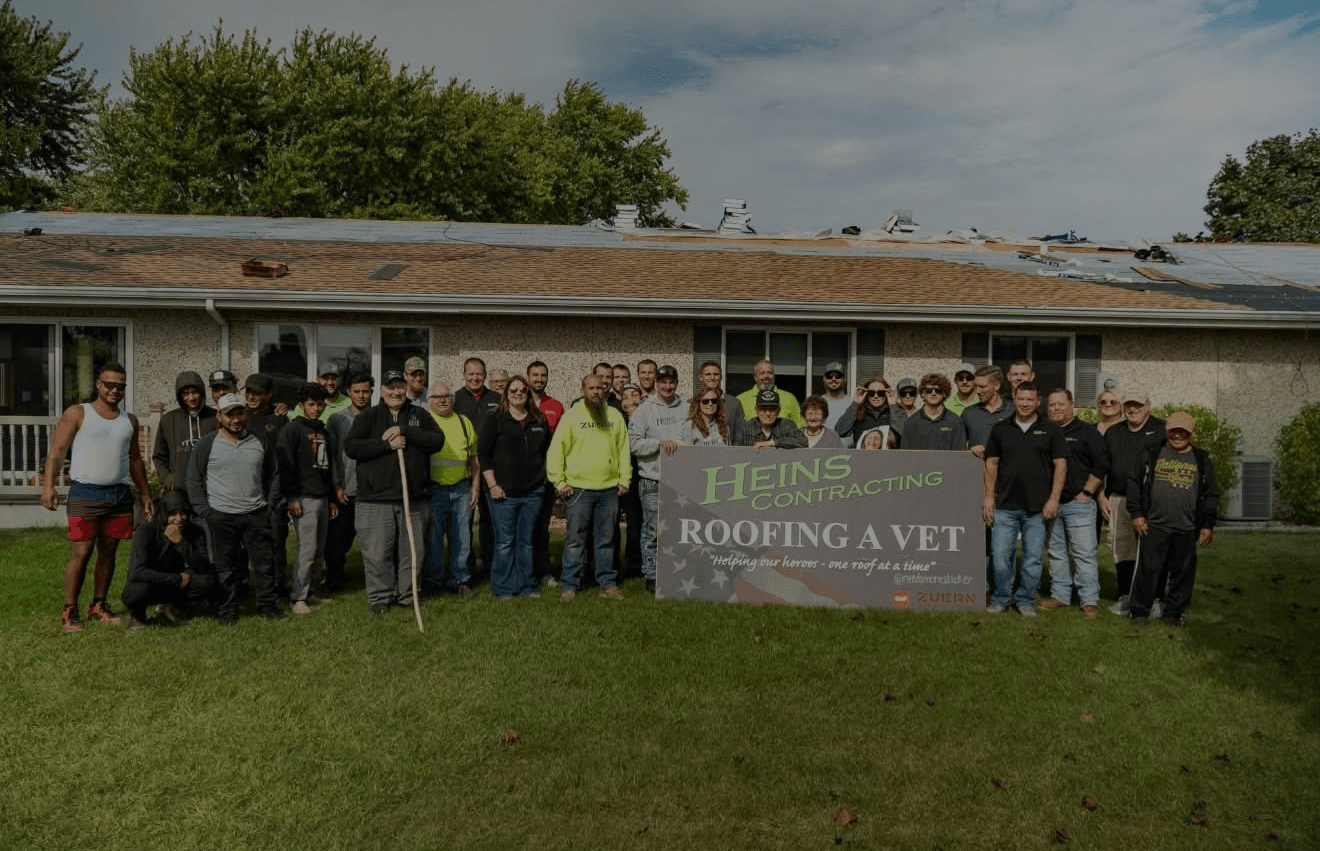
7th Annual Roofing a Vet
Every Memorial Day we celebrate by giving back to those that are serving or have served in the US military. Today we are pleased to open nominations for our 7th year of Roofing A Vet.
Testimonials
Heins did an amazing job on our roofing and gutters. Their team was professional, kind, and clearly took pride in their work. The quality of the materials and attention to detail really stood out. It’s rare to find a contractor this reliable—highly recommended for any roofing or gutter needs!
Excellent company to deal with! Kyle was very knowledgeable about the roofing products and what we should expect. Aston and his crew had the roof completed under 6hrs. and did an excellent job on the clean up. Highly recommend, and their prices are very reasonable!
I hired Hein’s Contracting to replace siding on my insurance office in Dodgeville and they were amazing to work with on the project! Very detailed estimate, great communication and extremely organized. I worked with DJ Burris on the estimate and Josh was the project manager- I highly recommend them!
Heins Contracting recently installed new windows and siding on my home. They were professional, efficient and communicative to work with from sales rep DJ Burris, Project Manager Josh Smith and both the siding and window crews that completed the work on my home. They left behind no mess! The work was completed on schedule and within budget. I love how beautiful my house looks now! I highly recommend Heins Contracting for any of your siding and/or window needs.



Contact Us

Monday – Friday: 7:30 – 5:30pm
Saturday & Sunday: CLOSED
Monday – Friday: 7:30 – 5:30pm
Saturday & Sunday: CLOSED